Need home roof repair in Oklahoma City?
Questions about a new roof or storm damage? Request a callback or send a short request, and a local provider can follow up.
No obligation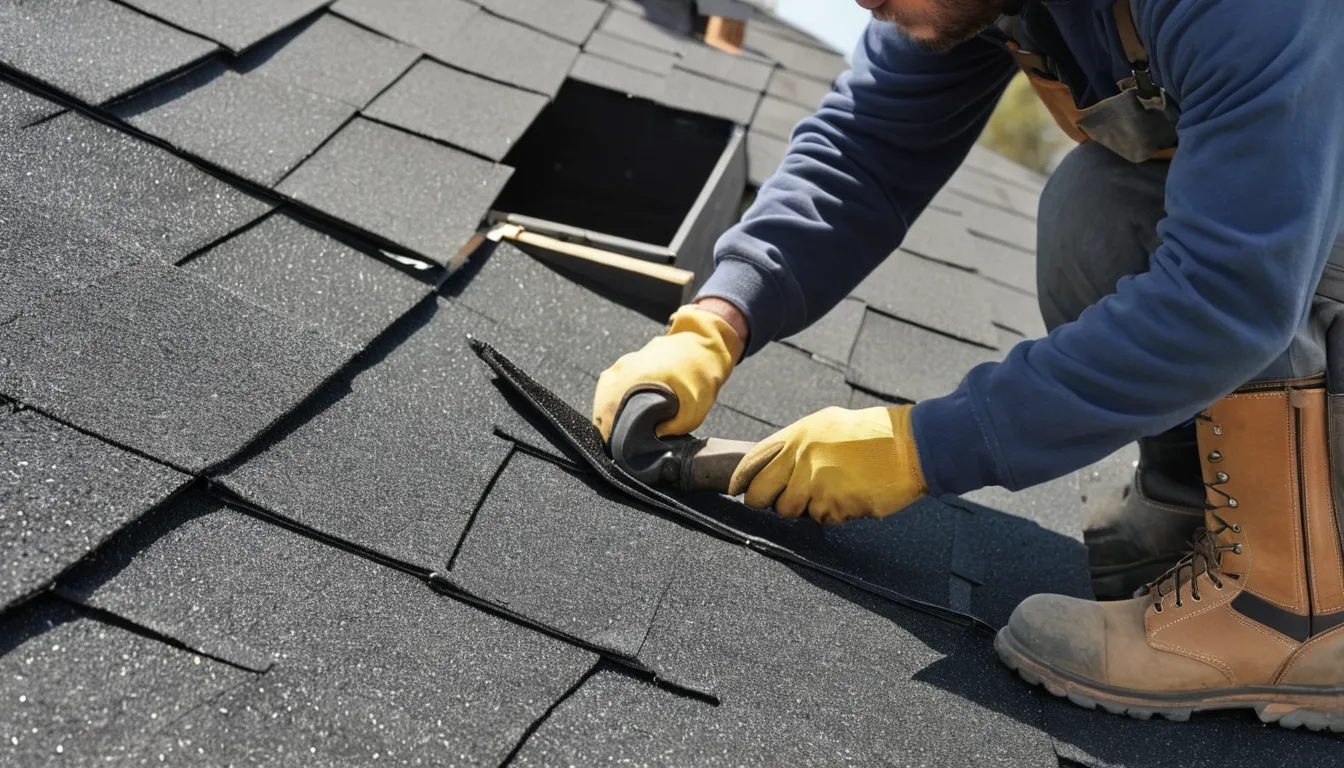
Get a leak looked at safely
Home roof repair covers fixes that keep a roof working without replacing it: sealing a leak, replacing a handful of shingles, resealing flashing around a chimney or vent, or fixing a damaged valley. It makes sense when the roof still has years of life left and the damage is limited to one area.
Advicegood Roofing connects homeowners in the Oklahoma City area with independent local roofing providers who handle repairs. The provider traces the leak, explains the cause and gives you a written price before any work starts. If the roof is near the end of its life, a good provider will also tell you honestly whether a repair is still worth the money or whether a full replacement is the safer long-term choice.
Water inside the house is the urgent part. Do these things first:
Do not climb a ladder in the rain or onto a wet roof. Take photos of the stain and the drip for your records.
A slow drip soaks the insulation first, then the drywall, then the wood framing. By the time a stain shows on the ceiling, water may have been getting in for weeks. Wet insulation stops working, and damp wood can start to rot. Fixing the entry point early keeps the bill small.
Wind lifts and tears shingles, and hail cracks them. A provider replaces the damaged pieces and reseals the ones around them.
Metal flashing seals the joints around chimneys, walls, skylights and vents. When its sealant cracks or the metal lifts, water slips in. This is one of the most common leak sources.
The rubber collar around plumbing vents dries out in the sun and splits. It is a small part that causes many leaks.
Valleys carry the most water on a roof. Worn shingles or flashing there show up as leaks along interior walls.
Water travels along rafters before it drips, so the stain is often several feet from the real hole. A provider checks the attic for wet wood and daylight, then inspects the roof above. Some use a water test or a moisture meter. Ask them to show you photos of the cause.
A repair is usually sensible when the roof is under about 15 years old and the damage is in one spot. Replacement starts to make more sense when:
Ask the provider to price both options in writing if you are unsure. Spending a lot on repairs to a worn-out roof is a common first-timer mistake.
A tarp can protect the house until a proper repair is done. Let a provider install it. Tarps on a roof are a fall risk, and a badly tied tarp can tear off in the next wind.
Asphalt shingles are the most common and the easiest to patch. Metal roofs need matching panels and fasteners. Tile and slate need care because walking on them can break more pieces. Make sure the provider works with your roof type.
Check the ceiling stain over the next few rains to make sure it stays dry. Keep the invoice and the photos. If the stain grows, call the provider back while the workmanship warranty is still in force.
A few safe habits from the ground cut down on future leaks. Keep gutters clear so water does not back up under the shingle edges, or hire someone to do it if the gutters are high. Trim branches that hang over the roof, since rubbing limbs wear shingles and drop debris into valleys. After each big storm, walk around the house and look for shingles in the yard or dents in the gutters. Check the attic once or twice a year with a flashlight for damp spots or daylight. None of these steps require a ladder on the roof, and each one can catch a problem while it is still a small repair.
Attic and roof checks to find where water actually gets in, not just where it drips.
Replacing cracked, lifted or missing shingles and resealing the ones around them.
Resealing or replacing flashing at chimneys, walls, skylights and plumbing vents.
A clear view on whether a repair is worth it or a replacement is the better spend.
These are typical U.S. ranges and they vary by roof type, pitch, access and how far the damage goes. Ask for a written quote before work starts so there are no surprises on the invoice.
| Repair | Typical range | Notes |
|---|---|---|
| Minor shingle repair | $300 to $900 | A few shingles on an easy-to-reach slope |
| Flashing repair | $400 to $1,200 | Chimney or wall flashing costs more |
| Pipe boot replacement | $150 to $450 | Small part, common leak source |
| Valley repair | $500 to $1,500 | Depends on length and material |
| Deck section repair | $700 to $2,500 | When rot is found under the shingles |
| Skylight reseal | $300 to $1,000 | More if the unit itself must be replaced |
Call or send the form with where the leak shows and when it started.
We connect you with an independent roofing provider near you.
The provider inspects the attic and roof, then shows you photos.
You get a written price and decide whether to go ahead.
What to do inside and what to leave alone outside while you wait for help.
Typical repair ranges so the written quote you receive makes sense.
Independent providers who know how the weather in the Oklahoma City area wears roofs down.
Ask questions, compare prices and decide in your own time.
Questions about a new roof or storm damage? Request a callback or send a short request, and a local provider can follow up.
No obligationMany small leak repairs fall between about $300 and $900. Flashing work or damage that has reached the deck costs more. These are typical U.S. ranges, so ask for a written quote after the inspection.
A provider may be able to tarp the area to limit damage, but most permanent repairs need a dry roof. Do not go up yourself in wet weather, since slick shingles cause many falls.
If the roof is near the end of its life and worn on most slopes, repairs often buy little time. Ask the provider to price a repair and a replacement in writing so you can compare.
Questions about a new roof or storm damage? Request a callback or send a short request, and a local provider can follow up.
No obligation