Need storm & hail damage roof repair services in Oklahoma City?
Questions about a new roof or storm damage? Request a callback or send a short request, and a local provider can follow up.
No obligation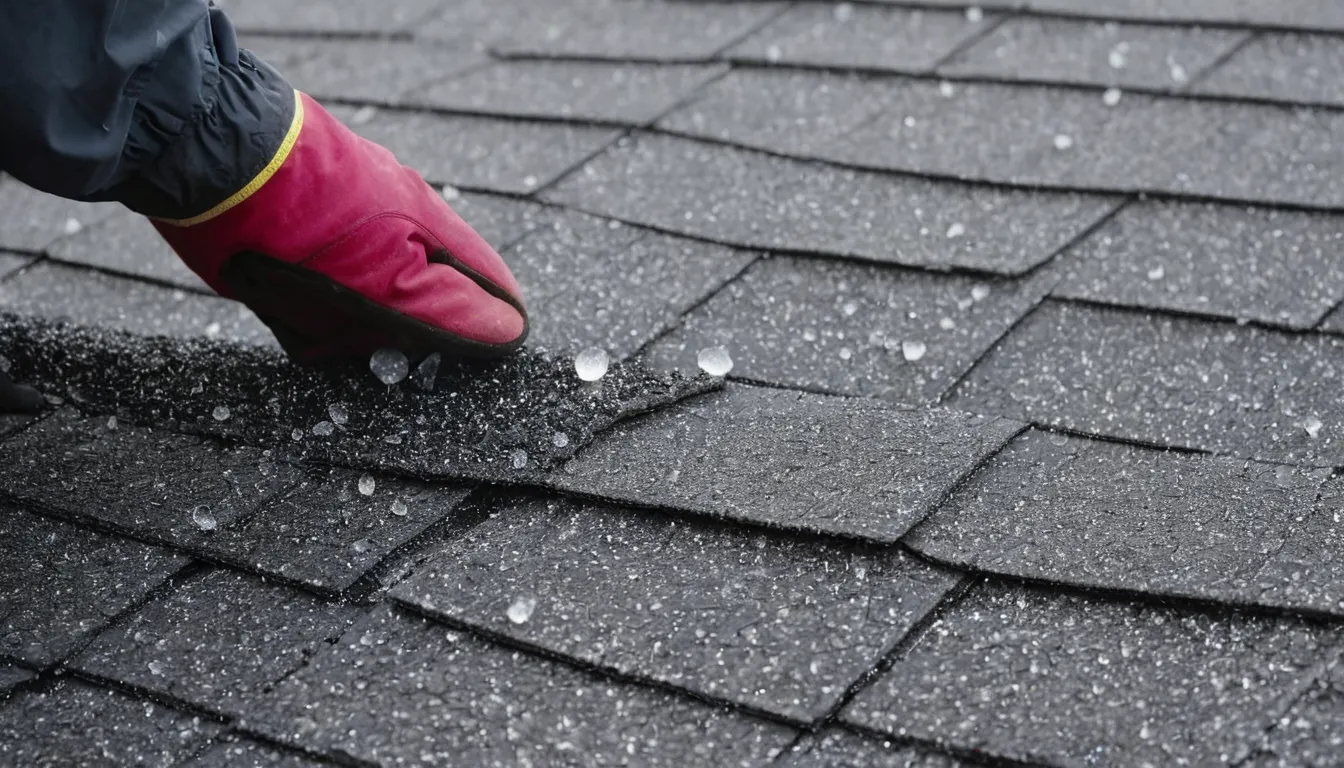
Have the damage checked safely
Storm and hail damage repair covers the work a roof needs after severe weather: replacing shingles cracked or bruised by hail, refastening or replacing shingles lifted by wind, fixing dented flashing and vents, and repairing damage from fallen limbs. When the damage is spread across most of the roof, a full replacement is often the outcome.
Advicegood Roofing connects homeowners in the Oklahoma City area with independent local roofing providers who inspect storm damage, document it with photos and give a written quote. Some policies may cover sudden storm damage, so check your policy. Providers can often help you document damage for a claim, but your insurer decides what is covered. You choose who does the work, and there is never an obligation to hire.
Do these things before anything else:
Once everyone is safe, take photos from the ground: shingles in the yard, dented gutters and downspouts, marks on siding, damaged vents and any ceiling stains inside. Write down the date and time of the storm.
Hail can crack a shingle's mat or knock off the granules that protect it from the sun. The roof may not leak right away, but the damaged spots wear faster and start leaking months later. Wind-lifted shingles can tear off in the next storm. Many insurance policies also set time limits for reporting damage, so waiting can cost you.
Round dark spots where granules are gone, soft to the touch. Hard to see from the ground.
Creased, lifted or missing shingles, often along edges and ridges.
Holes or cracked decking from falling limbs or flying debris.
Dented vents, gutters, flashing and downspouts. These are often the easiest signs of hail to spot from the yard.
A provider walks the roof and checks each slope, the ridges, flashing, vents, skylights and gutters. Many mark hail hits in a test square and photograph them. They also check the attic for water. Ask for a copy of the photos and a written summary of what they found.
Scattered damage on a younger roof can often be repaired. When hail has hit most slopes, or the roof was already near the end of its life, a full replacement is common. Matching new shingles to old ones can also be hard. Ask the provider to explain the choice in writing.
Check your policy for storm coverage and your deductible. Report the damage to your insurer. An adjuster may visit to inspect. A provider can often meet the adjuster and share photos, but the coverage decision is the insurer's. Do not sign anything that hands your claim over to a contractor without reading it closely.
After big storms, out-of-area crews often knock on doors. Some are honest, many are not. Do not:
Take your time with the answers. A provider who is local and patient with questions is a safer choice than one who is pushing you to sign today.
Put everything about the storm in one folder or one phone album. Include your ground photos, the date and time of the storm, the claim number if you file one, the names of anyone who inspected the roof and every written quote. Add receipts for tarps, towels or other steps you took to limit damage, since some policies may reimburse reasonable costs to protect the home. A complete file makes conversations with your insurer and your provider easier. It also helps later if a leak shows up months after the storm and someone asks when the damage happened. Five minutes of record keeping now can save hours of back and forth with everyone involved.
Slope-by-slope check for hail hits, wind lifts, punctures and dented metal parts.
Clear photos and notes you can keep for your files or share with your insurer.
Tarping by the provider to limit water damage until a repair can be done.
A written quote for fixing the damaged areas or putting on a new roof.
These are typical U.S. ranges. The real cost depends on how much of the roof was hit, the material and access. Insurance may affect what you pay, so get a written quote and check your policy.
| Work | Typical range | Notes |
|---|---|---|
| Emergency tarp | $300 to $1,200 | Size and pitch of the area matter |
| Wind-damaged shingle repair | $350 to $1,500 | Scattered missing or lifted shingles |
| Hail repair on one slope | $1,000 to $4,000 | Partial replacement of a section |
| Gutter and vent replacement | $300 to $2,000 | Dented metal parts |
| Skylight or vent cover replacement | $200 to $900 | Cracked by hail or debris |
| Full replacement after hail | $8,000 to $20,000 | Average home, asphalt shingles |
Photograph damage from the ground and protect belongings inside the house.
Call or send the form with the storm date and what you see.
An independent provider inspects the roof and shares photos and notes.
You get a written repair or replacement quote and decide in your own time.
Clear do and do not steps for the hours right after a storm.
Typical costs so you can read a storm quote with confidence.
Independent providers who work in the Oklahoma City area all year, not just after storms.
You choose who works on your home and when.
Questions about a new roof or storm damage? Request a callback or send a short request, and a local provider can follow up.
No obligationLook from the ground for dented gutters, vents and downspouts, and for granules collecting at downspouts. Shingle bruises are hard to see without a close inspection, so ask a provider to check.
It depends on your policy and your state. Some policies set limits of one year or more, others less. Check your policy and contact your insurer soon after the storm.
Do not sign on the spot. Ask for proof of insurance and a local address, get a written quote and compare it with providers who work in the area all year.
Questions about a new roof or storm damage? Request a callback or send a short request, and a local provider can follow up.
No obligation